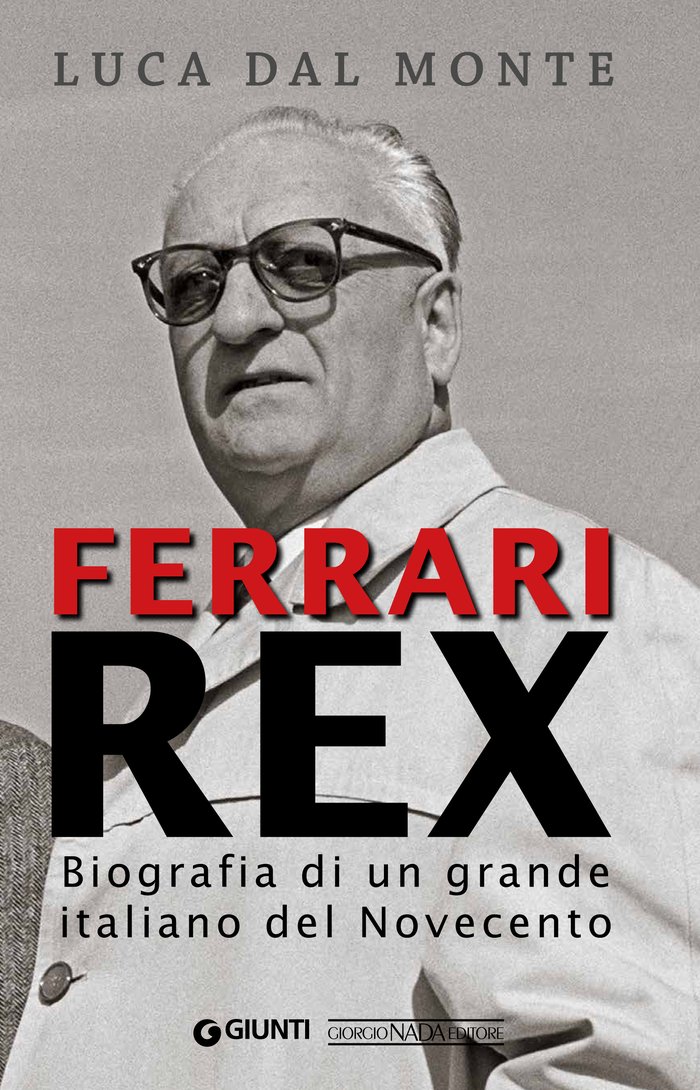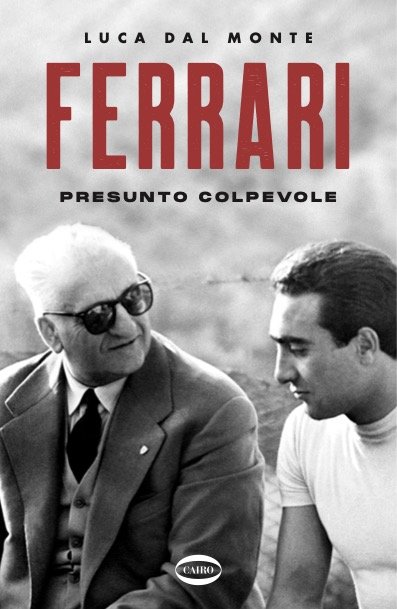
Ferrari – Presunto colpevole (Ferrari – Presumed Guilty) was the first book I wrote about Enzo Ferrari after Ferrari Rex. Rather than attempting another broad portrait of his life, I chose to explore in depth what is perhaps the most dramatic—and certainly one of the least understood—episodes in his extraordinary story.
On 12 May 1957, during the closing stages of the legendary Mille Miglia race, one of Ferrari’s sports cars crashed at high speed. The two drivers were killed, together with nine spectators, five of them children. The tragedy shocked Italy. Public opinion turned fiercely against Ferrari, and the judiciary launched a criminal investigation that would place him at the centre of one of the most controversial legal cases in Italian sporting history.
Charged with multiple counts of manslaughter, Ferrari faced the possibility of a prison sentence. For four years he lived under the shadow of criminal prosecution, stripped of both his passport and his driving licence while insisting that he bore no responsibility for the accident.
One of the most striking aspects of the aftermath was the reaction of the Catholic Church. Through influential newspapers and public statements, sections of the Italian Catholic establishment launched an exceptionally severe campaign against Enzo Ferrari, portraying him as morally responsible for a form of spectacle in which human life had become secondary to speed and ambition. The debate quickly extended far beyond the courtroom, becoming a wider moral and cultural confrontation about the legitimacy of motor racing itself.
Drawing on extensive archival research including all of the trial documents and previously overlooked documentary evidence, Ferrari – Presunto colpevole reconstructs the investigation, the trial and the social climate that surrounded the case. It is both a courtroom drama and a historical enquiry into a moment that profoundly shaped Enzo Ferrari’s life, reputation and relationship with the Italian public.
“It is both a courtroom drama and a historical enquiry into a moment that profoundly shaped Enzo Ferrari’s life.”